
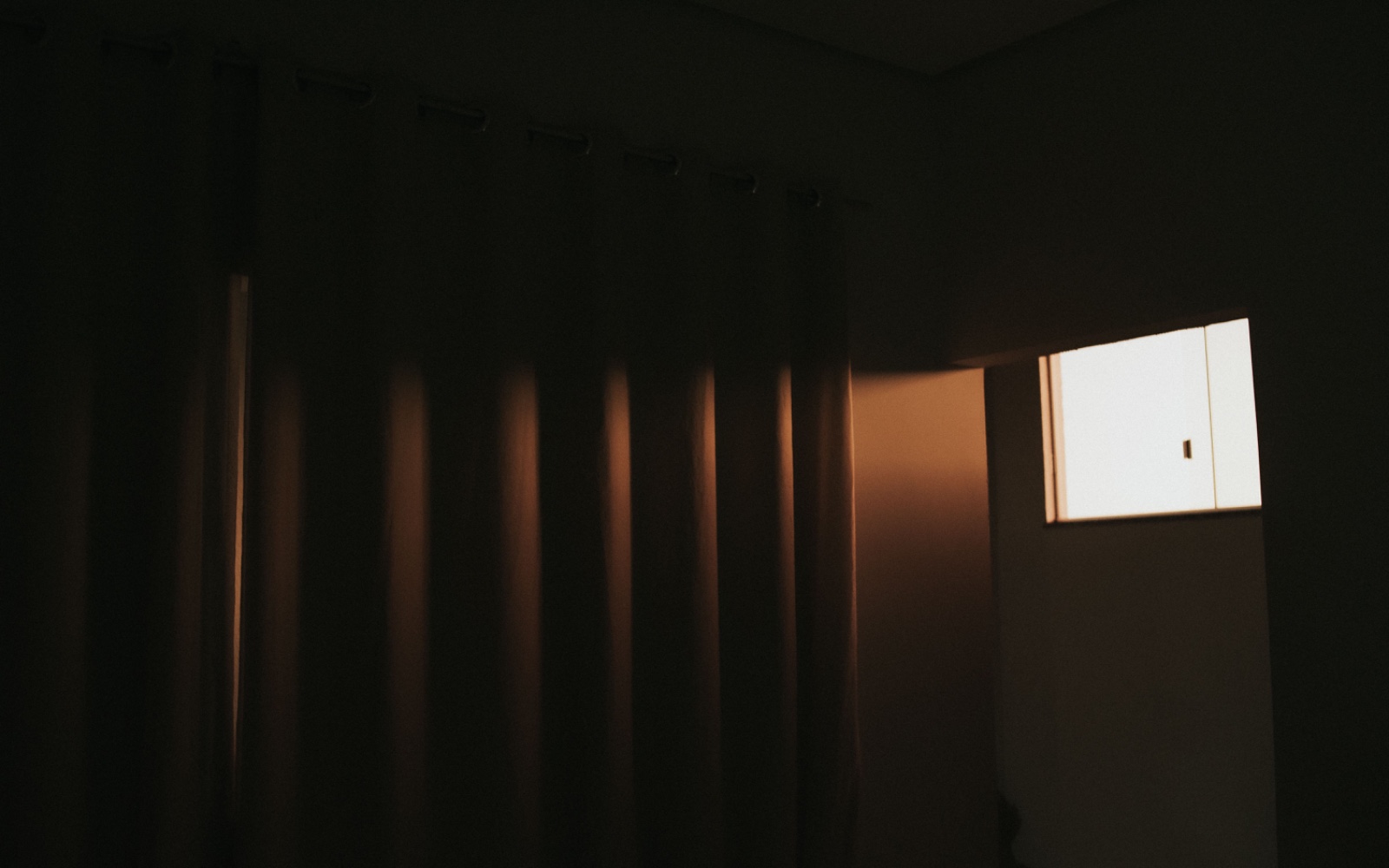
A 100% blackout label normally describes visible-light blocking through the fabric. It does not automatically mean every blackout fabric has the same heat or ultraviolet performance.
Visible light, heat and UV are different
Blackout fabric can stop visible light from passing through the material, but heat transfer also depends on solar absorption, reflection, fabric construction, coating, air gaps and how close the curtain sits to the glass.
UV reduction may be strong when light is blocked, but a precise UV claim should be based on product data or testing rather than the blackout percentage alone.
Why the room can still feel hot
- Heat may already enter through the glass before it reaches the curtain.
- Dark surfaces can absorb solar energy.
- Large edge gaps allow hot air to circulate into the room.
- West-facing windows receive intense afternoon sun.
- Reflected sunlight from a nearby building can increase the load.
How to improve heat control
A better solution may combine an appropriate curtain fabric, sufficient coverage, a suitable lining, solar-control film, external shading or a blind positioned closer to the glass. The right combination depends on the window and the appearance you want.
For bedrooms, the priority may be darkness. For living rooms, filtered light and comfort may matter more. We recommend based on the room, not only the “100% blackout” label.